
Anúncios
Your phone feels slower every day — apps lag, battery drains, and storage fills up without warning. Learn how to fix it fast and make your device run like new in minutes.
What problem are we going to solve?
Is your battery draining quickly?
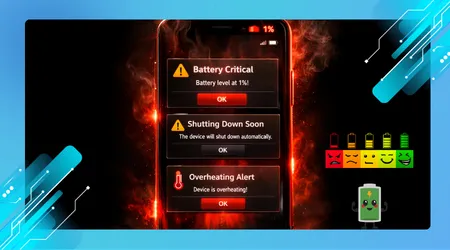
When Your Phone Feels Slow: A Real-World Self-Check
A common pattern emerges when users describe a “slow phone.” It usually starts with minor delays when opening apps, followed by keyboard lag, and eventually escalates into full freezes when switching between tasks.
One overlooked indicator is how long your phone takes to wake up from idle. If unlocking the screen feels delayed or animations stutter, your system is already overloaded beyond what most users notice.
Anúncios
Another frequent mistake is assuming storage percentage alone determines performance. In reality, fragmented storage and cached data buildup often slow devices even when there appears to be free space available.
If your phone heats up during simple tasks like browsing or scrolling social media, that’s a strong sign of background processes competing for resources. This is where optimization becomes less optional and more necessary.
Anúncios
Hidden Factors That Quietly Kill Performance
Background synchronization is one of the most underestimated causes of slowdown. Apps constantly checking for updates, syncing data, or refreshing content create invisible load that accumulates throughout the day.
Another subtle factor is notification overload. Each push notification triggers system activity, and over time, hundreds of small interruptions can degrade responsiveness more than a single heavy app ever would.
Storage fragmentation also plays a significant role. Even when storage is not full, scattered data forces the system to work harder to retrieve files, which slows down everything from app launches to media playback.
According to performance behavior insights documented by the Android Developers official documentation on memory and performance, inefficient memory usage and background activity are among the leading causes of degraded mobile performance, reinforcing why optimization must go beyond simple storage cleanup.
Tools That Actually Improve Phone Optimization
Not all optimization tools deliver real results, and many users install multiple apps that end up conflicting with each other. Choosing the right tool depends on what problem you’re actually solving.
Cleaner apps like CCleaner are useful for removing residual files and freeing up storage, but their impact is limited if background processes remain unmanaged. They are best suited for users dealing with storage clutter rather than performance bottlenecks.
Files by Google is more effective for identifying large unused files and duplicate media. In real usage, it performs better for long-term organization rather than immediate speed improvements.
Battery-focused tools like AccuBattery provide insights rather than direct optimization. They help users understand consumption patterns, which is often more valuable than blindly trying to “boost” performance.
Advanced users tend to rely on system-level settings instead of third-party tools. Disabling auto-sync for non-essential apps often yields better results than installing multiple optimization apps.
See Also:
Applications That Automatically Organize Your Photo Gallery Without Manual Sorting
The Hidden Privacy Risks of Using Free VPN Services
Why Older Devices Can Slow Down an Entire Wi-Fi Network
Ranking the Most Effective Optimization Approaches

When evaluating what actually improves phone performance, not all methods deliver equal results. Based on real-world testing and consistent outcomes, some strategies clearly outperform others.
- Managing Background Activity
This delivers the most immediate and noticeable improvement. Limiting app refresh and disabling unnecessary background permissions reduces system load significantly. - Storage Cleanup and Organization
While helpful, this is often overestimated. It improves performance mainly when storage is critically fragmented or near capacity. - Reducing Animations and Visual Effects
This creates the perception of speed rather than actual performance gains, but it’s effective for older devices. - Using Optimization Apps
These tools offer convenience but rarely outperform manual system adjustments. Their value depends on user behavior consistency.
The key difference lies in sustainability. Background management continues to deliver results over time, while cleanup tools provide temporary relief.
Real Usage: What Happens Before and After Optimization
Before optimization, a typical user experience includes delayed app launches, overheating during simple tasks, and frequent system slowdowns when multitasking. These symptoms often appear gradually, making them easy to ignore.
After applying targeted changes like limiting background apps and reorganizing storage, the difference becomes immediately noticeable. App switching becomes smoother, and the device remains responsive even under moderate load.
One practical scenario involves messaging apps. Before optimization, opening a conversation with media takes several seconds, especially on mid-range devices. After reducing background load, the same action becomes nearly instant.
Another example is battery stability. Devices that previously drained quickly during idle periods show improved consistency once unnecessary sync processes are disabled.
Comparing Optimization Tools and Methods
Different approaches serve different user profiles, and choosing the wrong method often leads to frustration rather than improvement.
| Tool / App | Main Feature | Best Use Case | Platform Compatibility | Free or Paid |
|---|---|---|---|---|
| CCleaner | Cache and junk file cleanup | Storage recovery | Android / iOS | Free + Paid |
| Files by Google | Smart file management | Long-term storage organization | Android | Free |
| AccuBattery | Battery usage insights | Monitoring battery behavior | Android | Free + Paid |
| System Settings | Native performance control | Advanced optimization | Android / iOS | Free |
In practice, system settings outperform third-party apps when used correctly. Tools are helpful, but they should complement, not replace, manual adjustments.
The Real Limitations of Phone Optimization
Optimization does not turn an old device into a new one. Hardware limitations still define the upper ceiling of performance, regardless of how well the system is managed.
Another misconception is expecting permanent results. Performance improvements require ongoing maintenance, especially for users who frequently install new apps or handle large media files.
Some optimization apps claim to “boost RAM,” but this often involves forcibly closing apps, which can actually reduce efficiency when those apps reopen shortly after.
Understanding these limits prevents unrealistic expectations and helps users focus on sustainable improvements rather than quick fixes.
Risks, Privacy, and Trust in Optimization Apps
Many optimization tools request extensive permissions, including access to storage, usage data, and sometimes even accessibility features. This creates potential privacy risks if the app is not trustworthy.
Users should avoid installing multiple optimization apps simultaneously. Besides redundancy, this can lead to conflicting processes that degrade performance instead of improving it.
According to guidelines published by the Federal Trade Commission on mobile app privacy practices, excessive data collection by apps can expose users to unnecessary risks, especially when permissions are not clearly justified.
A safer approach is to rely on one trusted tool combined with system-level adjustments. This minimizes exposure while maintaining control over device performance.
Conclusion
Phone optimization is less about installing more tools and more about understanding how your device behaves under real conditions. The biggest improvements come from managing what runs in the background rather than focusing only on storage.
Users who consistently monitor app behavior and adjust settings tend to maintain better performance over time. This approach requires minimal effort but delivers lasting results compared to one-time cleanups.
The most effective strategy combines selective tool usage with manual control. Cleaner apps and file managers help, but they should not replace direct system management.
Optimization is not a one-time fix but an ongoing process. Small adjustments, applied consistently, create a noticeable difference in how your phone performs daily.
Taking action now ensures your device remains responsive, efficient, and reliable even as apps and system demands continue to grow.
FAQ
1. Why does my phone slow down over time?
Because apps accumulate data, run background processes, and fragment storage, increasing system load.
2. Do optimization apps really work?
They help with cleanup, but manual system adjustments often deliver better long-term results.
3. How often should I optimize my phone?
Light adjustments weekly and deeper cleanup monthly usually maintain good performance.
4. Is clearing cache safe?
Yes, but it may temporarily log you out of apps or reset preferences.
5. What is the fastest way to improve performance immediately?
Disabling unnecessary background apps and reducing sync activity.