
Anuncios

Personal safety apps have become essential digital tools for individuals seeking proactive protection during daily routines, travel, and unpredictable situations. This article analyzes how personal safety apps function, where they provide measurable value, and how they integrate into modern risk-aware lifestyles responsibly.
The scope of this analysis covers core safety features, real-world application scenarios, limitations, and ethical considerations surrounding digital safety tools. It evaluates how these applications complement personal awareness rather than replacing informed decision-making and situational judgment.
This discussion focuses on civilian, non-law-enforcement usage across urban, suburban, and travel contexts. Emphasis remains on everyday users managing personal risk, family coordination, and emergency preparedness using widely available mobile technologies.
The article examines design principles behind effective safety applications, including usability under stress, battery efficiency, and reliability during limited connectivity. These factors directly influence whether a safety app performs when immediate assistance becomes critical.
Attention is also given to data privacy, consent-based tracking, and the balance between security and digital rights. Personal safety tools introduce sensitive data flows that require responsible handling by both developers and users.
Anuncios
By combining technical analysis with real-world behavioral patterns, this article provides an evidence-based perspective on how safety applications enhance protection without creating false confidence or dependency.
Emergency Alerts and Rapid Response Features
Personal safety applications commonly center on emergency alert mechanisms that allow users to notify contacts or authorities instantly. These features reduce response time during incidents such as assaults, accidents, or medical emergencies when manual communication becomes difficult.
Many applications employ one-tap panic buttons that send predefined alerts containing real-time location data. This simplicity ensures functionality under stress, where complex interactions often fail due to panic or impaired motor control.
Anuncios
Advanced systems integrate automatic triggers based on sudden movement, prolonged inactivity, or voice activation. These triggers address scenarios where a user cannot physically access their device during a critical moment.
Location sharing during emergencies relies on GPS, cellular triangulation, and Wi-Fi positioning to maintain accuracy. Applications designed for safety prioritize rapid location refresh cycles over battery conservation during alert states.
Some platforms connect users directly to emergency dispatch centers, while others notify trusted personal networks. This distinction affects response accountability, legal liability, and user expectations during crisis situations.
Reliability during low-signal environments remains a key performance indicator for emergency features. Applications optimized for degraded networks use SMS fallbacks or compressed data packets to transmit alerts successfully.
False alerts represent a documented challenge, potentially desensitizing recipients over time. Effective safety applications mitigate this risk through confirmation delays, cancellation windows, and adaptive sensitivity thresholds.
User training significantly influences emergency feature effectiveness. Applications that include guided simulations improve muscle memory and reduce hesitation during real incidents.
Emergency alert functionality serves as the foundational layer of personal safety apps, establishing immediate communication pathways that transform smartphones into accessible distress beacons.
++Background Apps That Improve Performance Without User Interaction
Location Tracking and Trusted Contact Systems
Location tracking features allow users to share real-time movement data with selected contacts during specific activities. These systems support safety during commuting, outdoor exercise, travel, or late-night mobility.
Trusted contact frameworks operate on explicit consent models, ensuring location visibility activates only during defined time windows. This structure preserves autonomy while enabling oversight when risk exposure increases.
Applications often allow temporary sharing sessions rather than continuous tracking. This approach minimizes unnecessary data retention and reduces psychological discomfort associated with persistent monitoring.
Family safety implementations frequently integrate geofencing alerts. These alerts notify contacts when users enter or exit predefined zones, supporting situational awareness without constant manual check-ins.
According to public safety guidance published by the Centers for Disease Control and Prevention, situational awareness and timely communication significantly reduce harm during personal safety incidents.
Accuracy depends on sensor fusion techniques combining GPS, accelerometers, and network signals. Well-designed applications prioritize consistency over precision to avoid misleading location updates.
Battery optimization remains critical for location-based safety tools. Adaptive refresh rates ensure extended functionality during long commutes or outdoor activities without compromising emergency readiness.
Privacy controls determine who accesses historical location data and for how long. Applications aligned with best practices limit data storage duration and provide transparent deletion mechanisms.
Location tracking within safety apps functions as a preventive measure, enabling early intervention and reassurance rather than reactive emergency response alone.
Incident Recording and Evidence Preservation
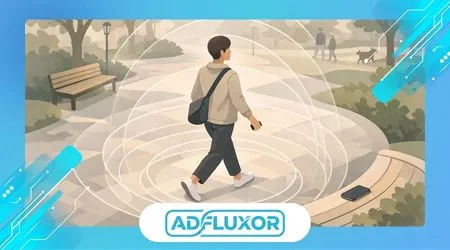
Some personal safety applications include incident recording features that capture audio, video, or images during threatening situations. These recordings serve both deterrent and evidentiary purposes when crimes occur.
Automatic cloud uploads protect recordings from device confiscation or destruction. This design ensures evidence preservation even if the phone becomes inaccessible during or after an incident.
Recording activation often links to emergency triggers, reducing the need for manual operation. Seamless integration prevents delays that could compromise documentation quality.
Legal admissibility varies by jurisdiction regarding audio and video recordings. Users must understand local consent laws before relying on recording features in sensitive environments.
The Federal Trade Commission emphasizes documentation as a critical element when reporting crimes, disputes, or fraudulent activity, reinforcing the value of secure evidence capture.
High-quality timestamping and metadata strengthen evidentiary credibility. Safety applications designed for legal robustness embed cryptographic verification to prevent tampering allegations.
Storage encryption protects sensitive recordings from unauthorized access. Applications employing end-to-end encryption maintain user trust and reduce secondary victimization risks.
Incident recording can escalate situations if visibly apparent. Effective designs allow discreet capture, balancing safety with situational de-escalation considerations.
Evidence preservation features extend personal safety beyond immediate response, supporting accountability, investigation, and legal resolution after incidents occur.
++Digital Organization Apps That Reduce Clutter and Save Time
Personal Safety App Feature Comparison
Safety applications differ significantly in feature depth, intended audience, and operational focus. Comparative evaluation helps users select tools aligned with their specific risk profiles and daily routines.
| Feature Category | Core Function | Primary Benefit | Typical User Scenario |
|---|---|---|---|
| Emergency Alerts | One-tap distress signaling | Rapid assistance | Sudden personal threat |
| Location Sharing | Real-time tracking | Preventive oversight | Night commuting |
| Incident Recording | Audio/video capture | Evidence preservation | Harassment situations |
| Check-In Systems | Scheduled confirmations | Accountability | Solo travel |
| Geofencing | Zone-based alerts | Situational awareness | Family coordination |
Feature combinations determine overall effectiveness rather than individual tools alone. Applications offering modular activation provide flexibility across different risk environments.
User interface clarity directly impacts feature adoption. Safety apps designed for stress conditions prioritize minimal visual complexity and tactile feedback.
Subscription models may restrict advanced features, influencing accessibility for vulnerable populations. Ethical product design considers affordability alongside functionality.
Regular updates address evolving threats and operating system changes. Stagnant applications risk failure during critical incidents due to compatibility issues.
Comparative analysis enables informed decision-making, ensuring safety tools complement rather than complicate personal protection strategies.
Privacy, Data Security, and Ethical Considerations
Personal safety applications manage sensitive personal data, including location history and emergency contacts. Responsible handling of this data underpins user trust and long-term adoption.
Transparent privacy policies clarify data usage, retention periods, and third-party sharing practices. Applications lacking clarity expose users to unintended surveillance risks.
Encryption standards protect transmitted alerts and stored recordings from interception. Strong security architecture remains essential given the sensitive nature of safety-related data.
Ethical concerns arise when safety tools enable coercive monitoring. Consent-based activation prevents misuse in controlling or abusive relationships.
Regulatory guidance from agencies such as the Federal Emergency Management Agency emphasizes preparedness without compromising civil liberties, informing ethical safety technology development.
User control over feature activation reinforces autonomy. The ability to pause tracking or delete historical data reduces psychological burden associated with constant monitoring.
Developers bear responsibility for safeguarding vulnerable populations. Design decisions must account for misuse scenarios alongside intended protective functions.
Data breaches involving safety apps carry elevated harm potential. Robust incident response plans and prompt disclosure practices mitigate long-term damage.
Ethical implementation ensures personal safety applications empower users without introducing new forms of digital vulnerability.
Integrating Safety Apps into Daily Routines
Effective safety application usage depends on consistent integration into daily habits. Sporadic activation undermines protective value during unexpected incidents.
Routine check-ins normalize safety behaviors without fostering anxiety. Structured usage reinforces preparedness while maintaining lifestyle balance.
Training features such as guided drills improve confidence and response speed. Familiarity with app functions reduces cognitive load during emergencies.
Customization aligns safety tools with individual risk exposure. Commuters, travelers, and caregivers benefit from tailored activation schedules and alert thresholds.
Battery management strategies ensure readiness throughout the day. Users should integrate charging habits with safety app requirements.
Social reinforcement encourages adoption within peer networks. Shared safety practices increase collective awareness and responsiveness.
Periodic review of settings prevents outdated contact information or inactive features. Maintenance ensures continued relevance as routines evolve.
Safety applications function best as supplementary tools rather than primary defenses. Personal awareness and judgment remain irreplaceable.
When embedded thoughtfully, personal safety apps provide discreet, reliable reinforcement to everyday protective behaviors.
++Phone Diagnostic Applications That Detect Hidden System Problems
Conclusión
Personal safety applications represent a practical response to modern risk environments shaped by mobility and digital dependence. Their value lies in timely communication, situational awareness, and post-incident accountability.
These tools do not eliminate danger but reduce vulnerability through structured preparedness. Users benefit most when applications complement informed behavior rather than substitute personal judgment.
Emergency features perform optimally when configured in advance and rehearsed periodically. Preparation transforms reactive tools into reliable safety infrastructure.
Location sharing enhances reassurance for both users and trusted contacts. This shared visibility supports intervention before situations escalate into emergencies.
Evidence recording capabilities extend protection beyond immediate response. Documentation strengthens legal outcomes and deters repeat offenses.
Privacy safeguards determine long-term trust in safety technologies. Ethical design and informed usage protect users from secondary digital harm.
Integration into daily routines ensures readiness without excessive reliance. Balanced adoption maintains awareness while preserving autonomy.
Safety apps continue evolving alongside mobile technology. Ongoing evaluation ensures relevance amid changing social and technical landscapes.
Ultimately, personal safety applications empower users through informed preparedness. Their effectiveness depends on thoughtful selection, ethical use, and consistent engagement.
Digital protection tools reinforce human vigilance rather than replacing it. Safety remains a shared responsibility supported, not solved, by technology.
Preguntas frecuentes
1. Are personal safety apps effective in real emergencies?
They improve response speed and communication reliability when configured properly and used consistently within realistic situational expectations.
2. Do safety apps automatically contact emergency services?
Some connect directly to authorities, while others notify trusted contacts depending on application design and regional integration.
3. Can personal safety apps work without internet access?
Many include SMS or low-bandwidth fallbacks, though functionality may be limited without connectivity.
4. Are these apps suitable for children and elderly users?
Yes, simplified interfaces and caregiver features support age-specific safety needs when configured responsibly.
5. Do safety apps drain battery quickly?
Continuous tracking can increase usage, but adaptive settings minimize impact during normal operation.
6. Are recordings from safety apps legally admissible?
Admissibility depends on local laws regarding consent and recording practices.
7. Can safety apps be misused for surveillance?
Improper configuration or coercive use can enable misuse, underscoring the importance of consent-based controls.
8. Should safety apps replace traditional precautions?
They should supplement, not replace, situational awareness, planning, and personal responsibility.